
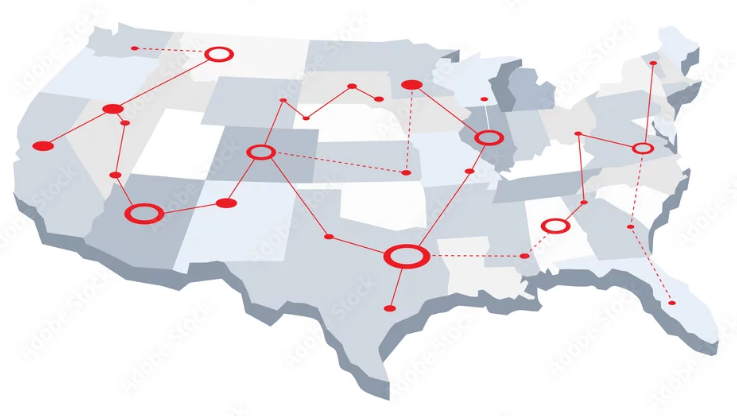
Planning an experiential marketing tour requires much more than a creative concept and a branded vehicle. The most successful tours are built on strong logistics, realistic scheduling, and experienced operational support. Whether you are launching a coast to coast activation or a regional pop up tour, understanding the fundamentals early will save time, money, and stress once the tour hits the road.
Start with a clear operating plan
Before design and fabrication are finalized, define how the tour will actually operate. Consider how long setup and strike will take, how many staff members are required per stop, and what success looks like at each activation. These details influence routing, staffing costs, and the number of tour days required.
Many brands rely on experienced partners like Event Marketing Drivers to support these logistics with CDL drivers, tour managers, and support staff who understand mobile experiential programs.
Build routing around real world conditions
Routing should be based on more than mileage. Urban traffic, venue load in restrictions, parking limitations, and local ordinances all affect daily schedules. Leave buffer time between high effort activations and plan recovery days when possible. Overpacked schedules are one of the biggest causes of tour burnout and missed activations.
Professional tour operators help optimize routes and schedules to keep teams compliant and energized. Learn more about tour logistics support at Event Marketing Drivers Programs.
Permits and permissions matter
Many experiential tours require city permits, venue approvals, or written authorization for branded vehicles, generators, sampling, or crowd engagement. These requirements vary by market and should be built into planning early. Ignoring permits can result in delayed activations or canceled stops.
Industry guidance from experiential marketing organizations such as Event Marketer highlights permitting as a key risk area for mobile campaigns.
Define staffing roles clearly
Tours run smoother when responsibilities are assigned in advance. Identify who handles vehicle operations, safety checks, setup, strike, guest flow, inventory, and reporting. CDL tour drivers often support more than driving, assisting with setup and troubleshooting on site.
This is why many brands prioritize experienced tour drivers. Read more about the value of professional drivers at The Importance of Professional CDL Drivers for Mobile Tours.
Track KPIs from day one
Choose metrics that align with campaign goals, such as leads captured, demos completed, samples distributed, or cost per engagement. Daily reporting allows teams to adjust staffing, messaging, or routing while the tour is live.
If you are planning a tour and want expert support from day one, start a conversation at Event Marketing Drivers Contact.